
Houseplants · 9 min read · Updated 2026-06-27
How Often to Water a Snake Plant (Without Killing It)

Snake plants die from love, not neglect. The exact watering schedule by season, pot size and light level.
Introduction
Snake plants die from love, not neglect. The exact watering schedule by season, pot size and light level. In this complete guide we cover everything you need to know — from soil prep and seasonal timing to the trusted nurseries where you can buy healthy stock.
This article is part of the Snake Plant buying guide series at Fornianation.
Quick Summary (TL;DR)
- Choose the right cultivar for your climate.
- Plant in well-draining, humus-rich soil.
- Water deeply but infrequently.
- Feed during active growth only.
- Buy from verified nurseries — see the table below.

Step-by-Step Method
- Source good stock. Buy from one of the five verified nurseries we recommend.
- Prepare the site. Loosen soil to 30 cm, mix in compost and grit.
- Plant correctly. Follow species-specific depth — too deep is the most common mistake.
- Water in. Deeply, once, and only again when the top 3 cm is dry.
- Mulch. A 5 cm layer of compost or bark insulates roots and locks in moisture.
Where to Buy
For trusted suppliers, see our Snake Plant buying guide — five ranked nurseries with prices, shipping zones and reader ratings.
Common Mistakes
- Planting too deep.
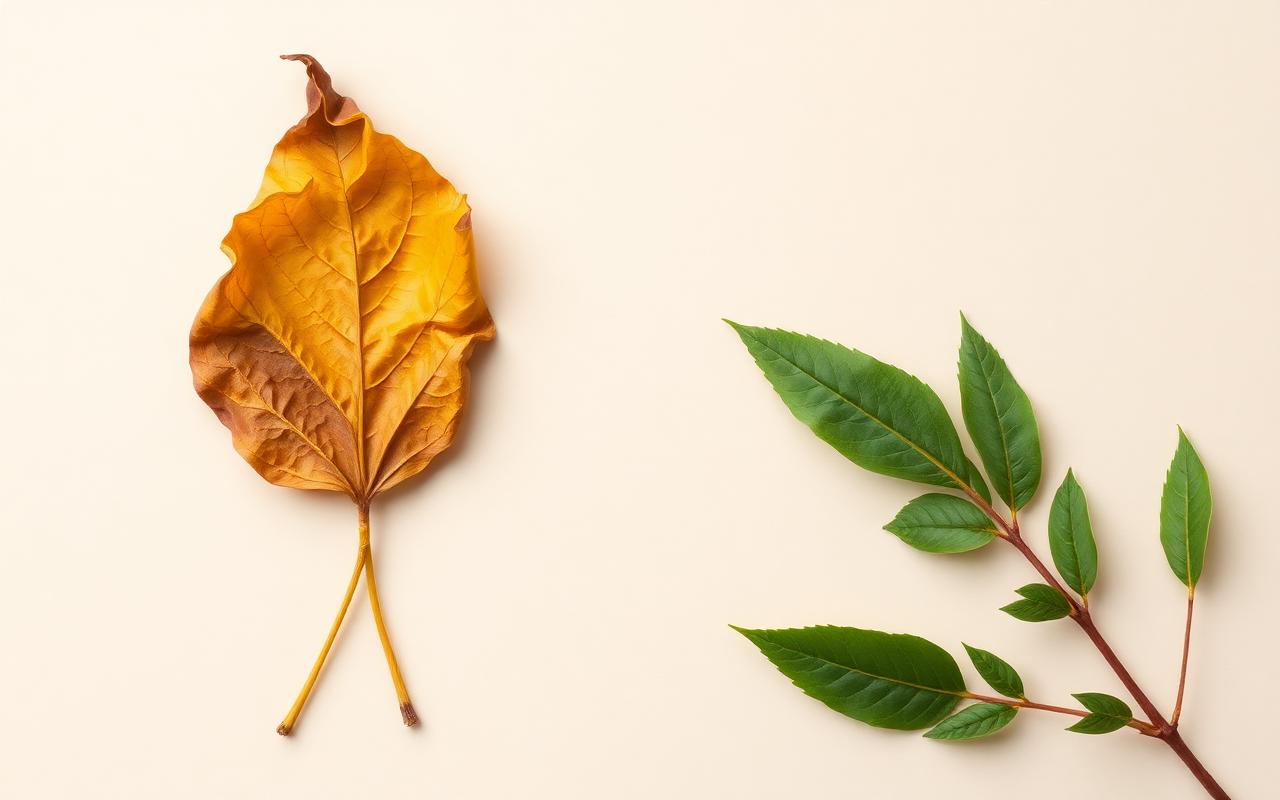
- Over-watering, especially in winter.
- Wrong-time pruning.
- Skipping pollinator support plants.
Conclusion
With the right cultivar, the right soil and patient attention to seasonal cues, almost anyone can grow this plant successfully. Bookmark this guide and return to it each season.
Frequently Asked Questions
How long does it take to see results when growing snake plant?
Most growers see noticeable establishment in 4–6 weeks; full flowering in 8–14 weeks depending on cultivar and climate.
Can I grow snake plant indoors?
Yes for houseplant species; for outdoor flowers, a bright south-facing window and good airflow are usually required.
Is this plant safe around pets?
Check the ASPCA toxic plant list for your specific cultivar; many garden flowers are mildly toxic to cats and dogs.