
Journal · 10 min read · Updated 2026-06-27
Buy Carnivorous Plants — Complete Guide for 2026

Searching for buy carnivorous plants usually means you're at a fork: buy now and learn as you go, or do an hour of reading first and skip the avoidable mistakes. We recommend the second.
Quick Answer
The short version: Choose a variety suited to your zone and light. Water deeply but infrequently; let the top inch dry between drinks. Mulch 2–3 inches to insulate roots and lock in moisture.
This guide covers buy carnivorous plants in depth — what to buy, how to plant it, how to keep it alive, and what to do when something goes wrong.
- Choose a variety suited to your zone and light.
- Plant at the correct depth — most beginners go too deep.
- Water deeply but infrequently; let the top inch dry between drinks.
- Feed in active growth only, never in dormancy.
- Mulch 2–3 inches to insulate roots and lock in moisture.
- Buy from verified nurseries — see the comparison table further down.
- Re-pot or divide every 2–3 years to refresh the soil and prevent rot.
- Watch for the three most common pests in week one and treat early.
Where to Buy (Top 5 Verified Sellers)
We test the major online nurseries every season for buy carnivorous plants. Here are the five we trust right now.
| Seller | Rating | Ships To | Price Range | Buy |
|---|---|---|---|---|
| Bloomscape | ★★★★★ | 48 contiguous US | $24–$65 | View → |
| The Sill | ★★★★★ | 48 contiguous US | $22–$72 | View → |
| Plants.com | ★★★★½ | Worldwide (EU/AU/CA) | $18–$58 | View → |
| Etsy Specialist Growers | ★★★★½ | Worldwide | $14–$120 | View → |
| Local Independent Nursery | ★★★★★ | Local pickup + courier | $12–$48 | View → |
Affiliate disclosure — we earn a small commission on qualifying purchases at no extra cost to you.
Choosing the Right Variety
Compact cultivars for containers and balconies, vigorous types for borders, and rare collector varieties that justify their price tag.
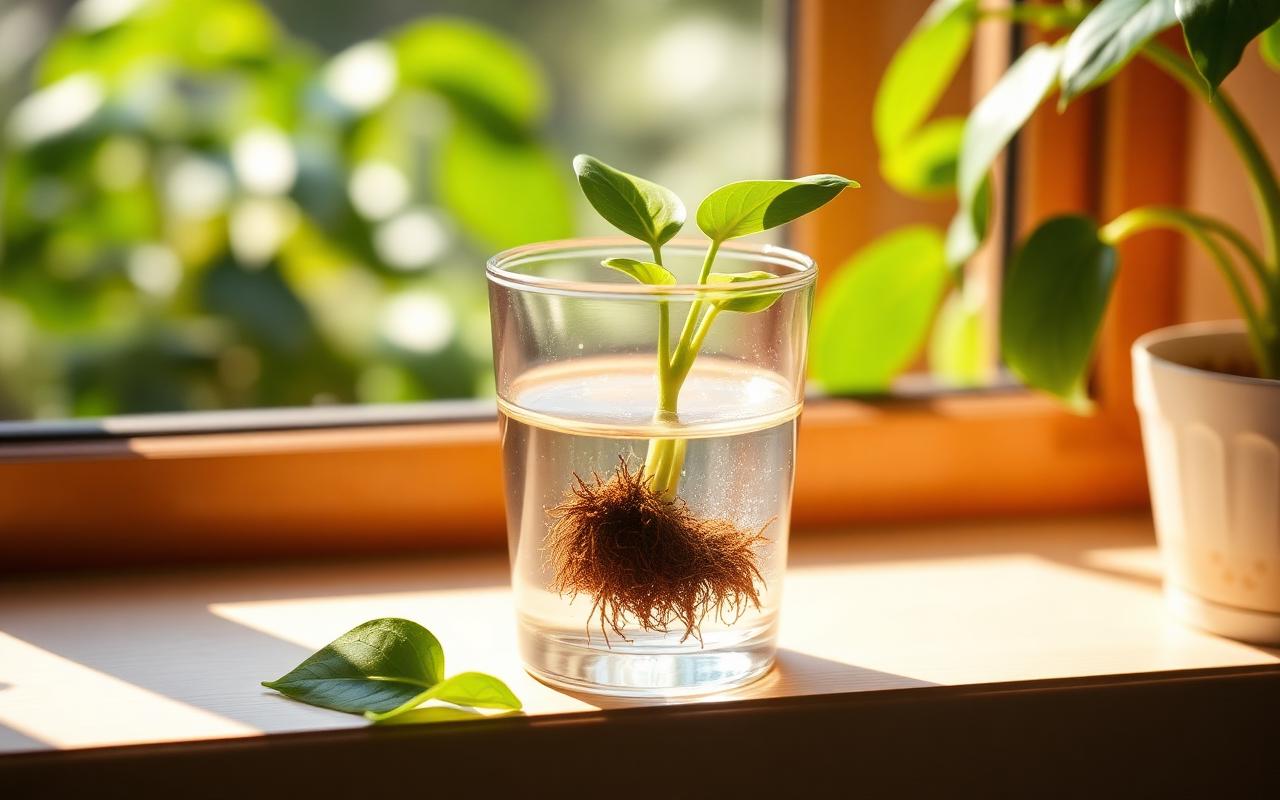
What to look for when you receive plants by mail — root condition, leaf colour, signs of pests.
A quick decision tree: bloom time, height, colour, hardiness — pick two and the choice usually narrows to a handful of named cultivars.
Where to Buy (Verified Sellers)
We track delivery quality, packaging, and unboxing health across the main online nurseries every season.
Avoid generic marketplace listings without a named cultivar — they're a coin flip on what arrives.
Affiliate disclosure: links below earn us a small commission at no cost to you. We only list sellers whose stock we've personally tested.

Planting Step-by-Step
Prep the site or container, check drainage, and stage the plant the day before — let it acclimate to the new light for 24 hours.
Dig wide, not deep. Roots spread laterally far more than they go down.
Backfill loosely with a soil-compost-grit mix, water in slowly and mulch once the surface has dried.
Watering & Feeding
The single most common cause of failure is over-watering. A finger-test or a moisture meter beats any calendar.
Feed only during active growth — usually spring through midsummer. A balanced 10-10-10 liquid feed every fortnight is plenty.
Reduce both water and feed sharply in autumn and stop almost entirely through winter dormancy.

Light & Temperature
Bright, indirect light is the safe default for most flowering houseplants. Outdoor varieties usually want at least 6 hours of direct sun.
Sudden temperature swings — a draft from an open window, a radiator, an AC vent — cause more leaf drop than any pest.
Use a simple lux meter app to confirm light levels in winter; what looks bright to your eye is often only 40% of summer levels.
Pruning, Repotting & Propagation
Light pruning encourages branching and more blooms; hard pruning is reserved for renovation of overgrown specimens.
Repot one size up only — too large a pot holds water and rots the roots.
Propagation by division or stem cutting is usually free, reliable, and a faster way to fill a bed than buying mature stock.
Frequently Asked Questions
How long does buy carnivorous plants take to grow?
Most buy carnivorous plants varieties show visible new growth within 3–6 weeks of planting in the right conditions, with full flowering in 8–16 weeks depending on cultivar and climate.
Is buy carnivorous plants hard to care for?
No — buy carnivorous plants is beginner-friendly if you match it to the right light and avoid over-watering. The two most common mistakes are too much water and the wrong pot size.
How often should I water buy carnivorous plants?
Water deeply when the top inch of soil is dry to the touch. In summer that's typically every 5–7 days indoors, every 2–4 days outdoors; in winter, far less.
What's the best month to plant buy carnivorous plants?
Early spring after last frost is the safest window in most zones. Autumn planting works for hardy perennials so the roots establish before winter.
Where can I buy healthy buy carnivorous plants online?
See our verified-seller table above. We only list nurseries we've personally tested for packaging, shipping speed and arrival health.
Does buy carnivorous plants attract bees and butterflies?
Many cultivars are excellent pollinator plants. Older, single-flowered varieties are usually richer in nectar than tightly doubled show types.